Dinner with the Saints
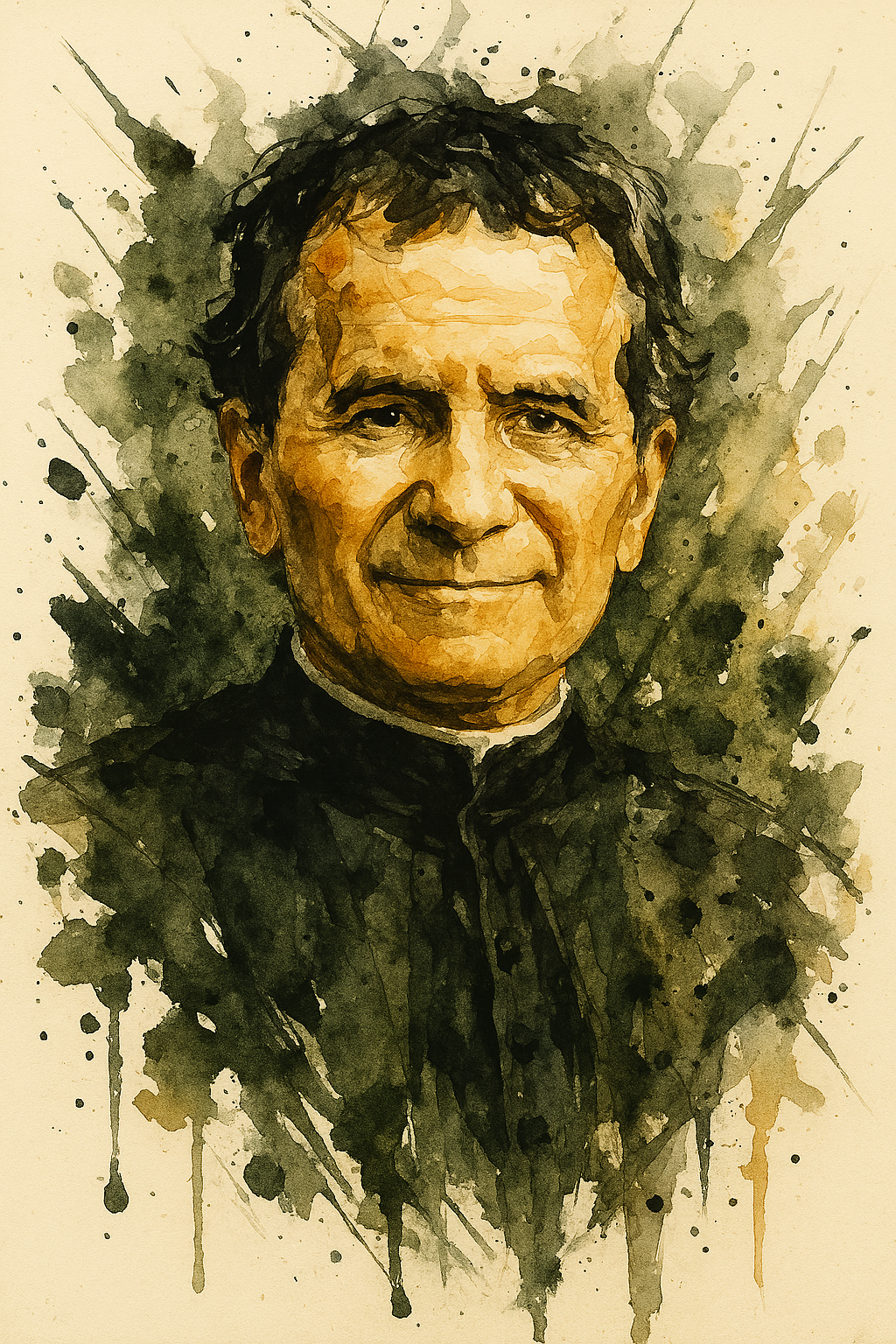
St. John Bosco
Welcome to the table!
What’s for dinner?
Growing up in the countryside and later becoming a city priest, Don Bosco ate simple, honest meals shaped by the seasons. During communal meals at his oratory, particularly breakfast and dinner with the young people under his care, these gatherings would likely have been modest and unpretentious. They focused on basics: fresh bread, seasonal vegetables, warm polenta, local cheeses, and sometimes meat. To get to know him better, we will eat polenta served with a side of beans, cabbage, carrots, onions, and potatoes simmered in a light broth. for dessert local fruit and a choice of several diluted wines.
Did you know St. John Bosco was a Secular Franciscan?
His mother, Margaret Bosco, was a member of the Third Order of St. Francis. Her strong Franciscan faith deeply shaped him, teaching humility, simplicity, and care for the poor. Inspired by this family example and by the Franciscan way of life he observed at home, John Bosco later became a lay member of the Third Order of St. Francis himself. This spiritual commitment significantly shaped his pastoral method and sustained his lifelong dedication to living and proclaiming the Gospel in ordinary, everyday circumstances.
Venerated as the “Father and Teacher of Youth,” Giovanni Melchiorre Bosco was born on 16 August 1815 in the small village of Becchi in Piedmont. His father died when he was two, so his devout mother raised him and his two brothers in poverty. As a boy he taught himself acrobatics and magic to attract children, ending his shows with a prayer or hymn. At nine he had a dream in which a man and a lady urged him to win souls “not with blows, but with gentleness and kindness.” Family opposition did not prevent him from leaving home at 12 to work on farms, Bosco persevered, and after meeting St. Joseph Cafasso he ultimately entered the seminary. Ordained a priest in 1841 in Turin, he quickly began helping disadvantaged youth harmed by industrialization. Don Bosco founded the Oratory of St. Francis de Sales, providing poor boys with schooling, wholesome recreation, clear catechesis, and ongoing spiritual guidance.
His Franciscan ideals and a deep appreciation for simplicity and humility, significantly shaped my views and methods for being a spiritual leader to young people. His schools and oratories were unpretentious, focusing on being accessible to underprivileged youth instead of offering luxury. This influenced his guiding principle of “reason, religion, and loving-kindness”—a preventive approach based on compassion rather than discipline. to read more about the life of St. “Don” Bosco tap the link, Life of St. John Bosco | Salesian Sisters of St. John Bosco
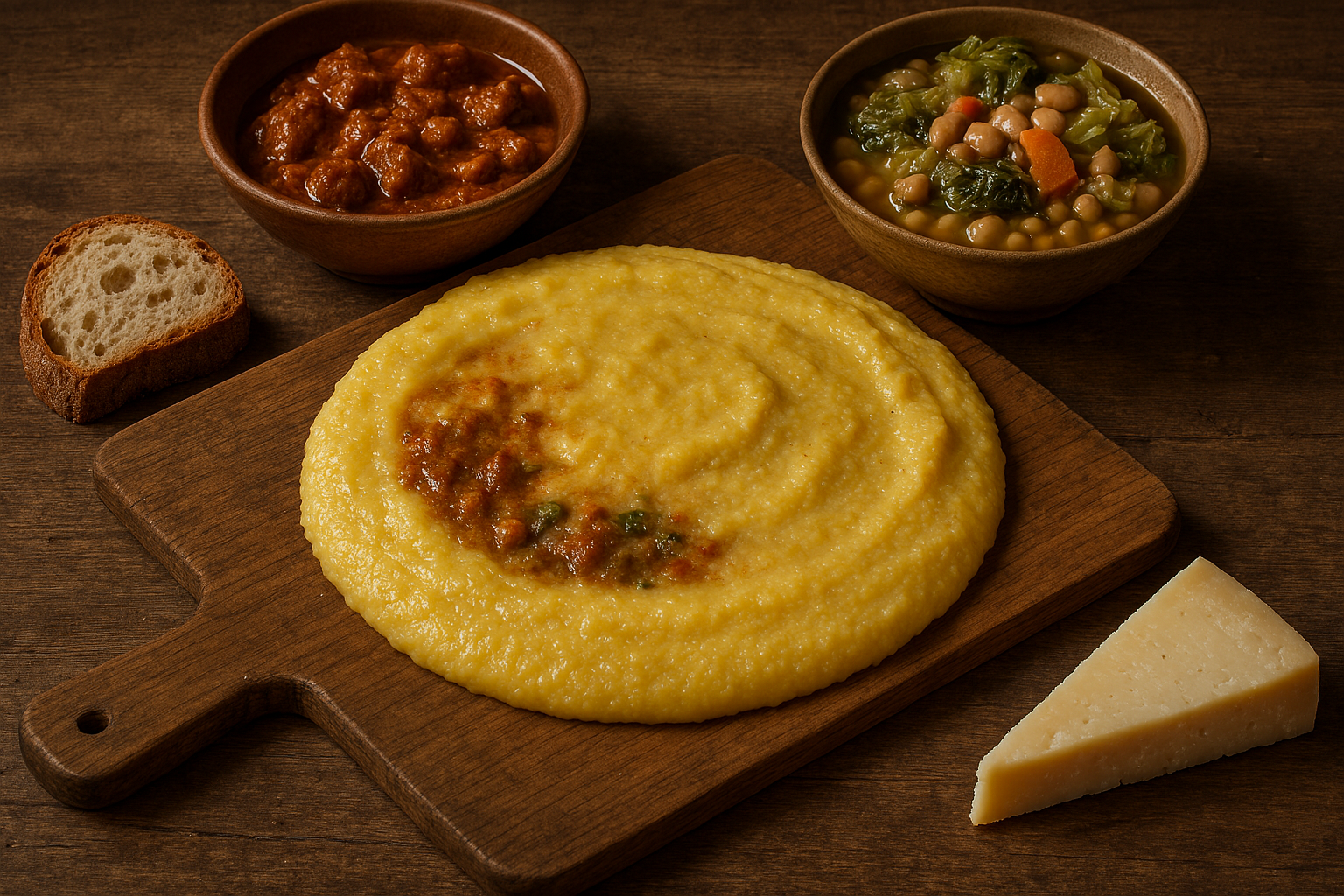
Piedmontese Polenta
Ingredients
4 cups water
250 g (1½ cups) coarse stone-ground cornmeal (bramata)
1 teaspoon coarse salt
(Optional for enrichment, if available):
20 g butter (1½ tablespoons)
30 g grated cheese (e.g., local piemontese cheese)
Equipment
Heavy-bottomed pot (traditionally a copper paiolo)
Long wooden paddle or spoon (or wooden handle stick, called cannella)
Preparation
Boil Water
Bring water and salt to a rolling boil in your heavy pot.
Add Cornmeal
Gradually pour cornmeal “a pioggia” (like rain) into boiling water while stirring constantly to prevent lumps.
Cook & Stir
Lower heat to medium–low. Stir frequently to avoid sticking, cooking for ~40–50 minutes until the polenta thickens and the grains are tender—traditionally, until the wooden paddle stands upright when inserted.
Enrich & Finish
Stir in butter and grated cheese until melted—this yields a richer, creamier texture (aligns with regional Polenta Concia).
Serve
Spoon directly onto plates for a creamy polenta, or pour into a wooden board, let cool until firm, then slice. In Don Bosco’s time, this often paired with vegetables, a light broth, or occasional meat sauce.
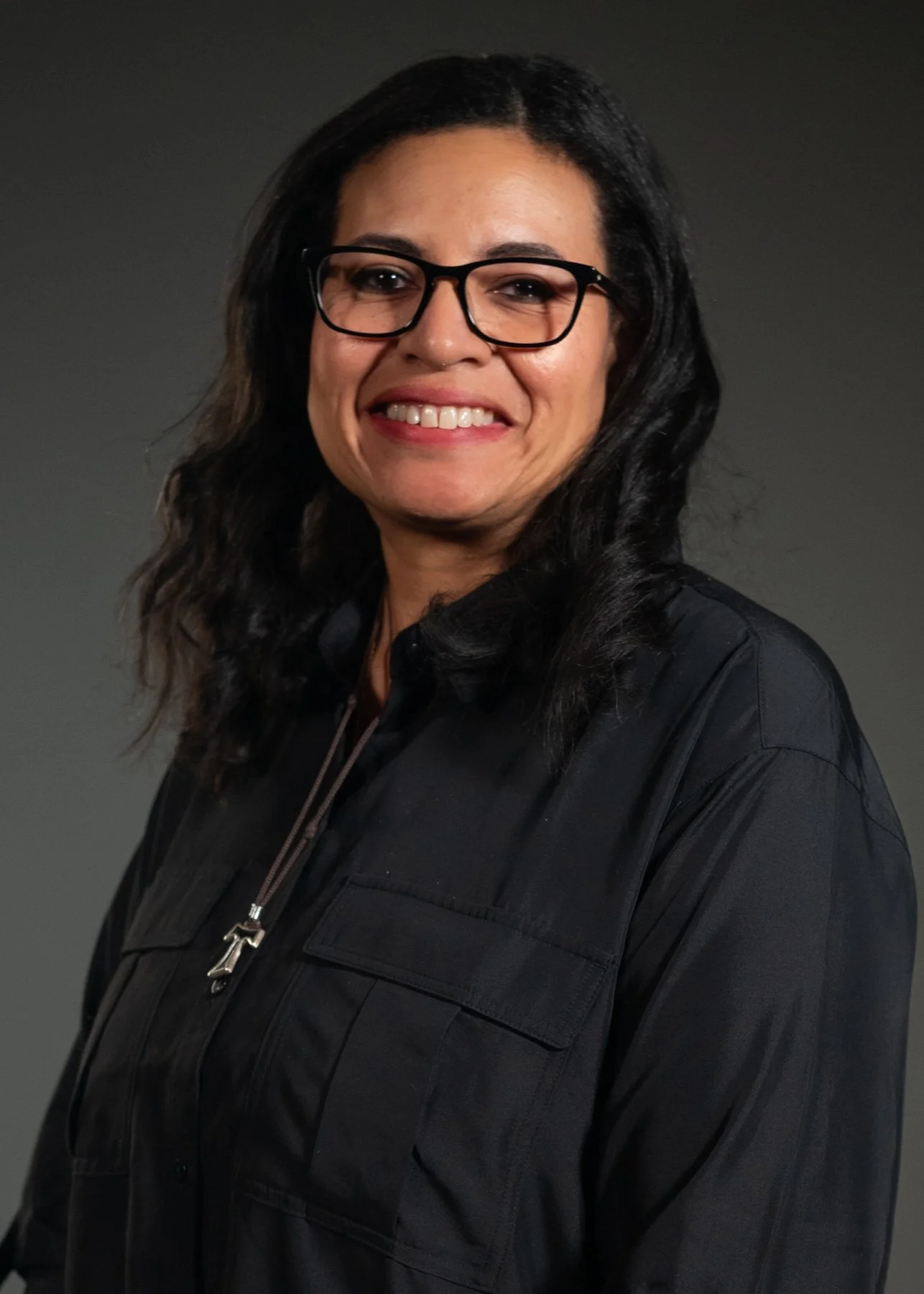
Thank you for allowing me to be part of your spiritual journey! Keep at it! Keep praying. Love the Lord.
Peace and Grace.Fran Acosta,OFS