The Road to Humility

“The good God is trying to make you descend it; he is waiting for you at the bottom in the fertile valley of humility.”
St. Thérèse of Lisieux
I want to begin with a confession. I am a perfectionist — the kind of person who feels responsible not only for doing my part, but for making sure everything turns out right. Somewhere inside, I tell myself a lie: “If I don’t manage this with enough intelligence and effort, everything good will fall apart — and it will be my fault.”
This is how my rosary meditation podcast began. I listen and pray the rosary with Dr. Mike Scherschlig, Co‑Founder of Holy Family School of Faith and The Movement of the Holy Family, and this particular meditation resonated with me very deeply. He pointed out that what I had been calling responsibility isn’t true responsibility at all — it’s pride wearing the mask of virtue. To illustrate, he shared a story about St. Thérèse of Lisieux. She once told a discouraged novice that holiness doesn’t come from scaling a towering mountain. Rather, it comes from coming down it. She added, “You are on the wrong road. God is waiting for you at the bottom — in the fertile valley of humility.”
As I listened to Dr. Mike reflecting on his life’s journey, I felt as though I was walking alongside him, quietly mirroring his steps and sharing in the tender, quiet moments of his memory. That was me—like him, I realized I had been climbing the wrong mountain, while God was patiently waiting for me below, ready to guide me onto the right path.
“What did Thérèse mean by the ‘fertile valley of humility’?” he asked.
Humility has two sides.
Therese said, “The good God is trying to make you descend it; he is waiting for you at the bottom in the fertile valley of humility.” The doctrine of the Little Way given to us by Therese of Lisieux is the virtue of humility put into practice
First, admit limits: “Apart from me you can do nothing.” We can’t control everything.
Second, remember who we are: God’s beloved children.
Holiness isn’t great deeds but growing small enough for God to carry us, and the real temptation isn’t to abandon our duties but to start believing that everything depends solely on our effort. We are tempted to think outcomes rest on our constant vigilance rather than on God’s steady, fatherly care.
Thérèse didn’t reject responsibility. She rejected self‑reliance instead, refusing to carry burdens in her own strength. And that leads to what we can call humble responsibility — he noted a gentle way of living that has three parts:
Discernment: Prayerfully ask, with honest openness, what God is truly asking of you — and what He is not. Spend time in prayer, listen with patience and humility, act on what becomes clear, and gently let go of the rest.
Action: Do your part faithfully, carrying it out with diligence and trust, but do it in the steady, comforting arms of the Good Shepherd.
Trust: Let Him carry you where you cannot go on your own, surrendering your fears, releasing control, and relying fully on His gentle guidance and steady presence.
If you would like to listen to this podcast in it’s entirety the link is below. I hope it is fruitful for you as it was for me.

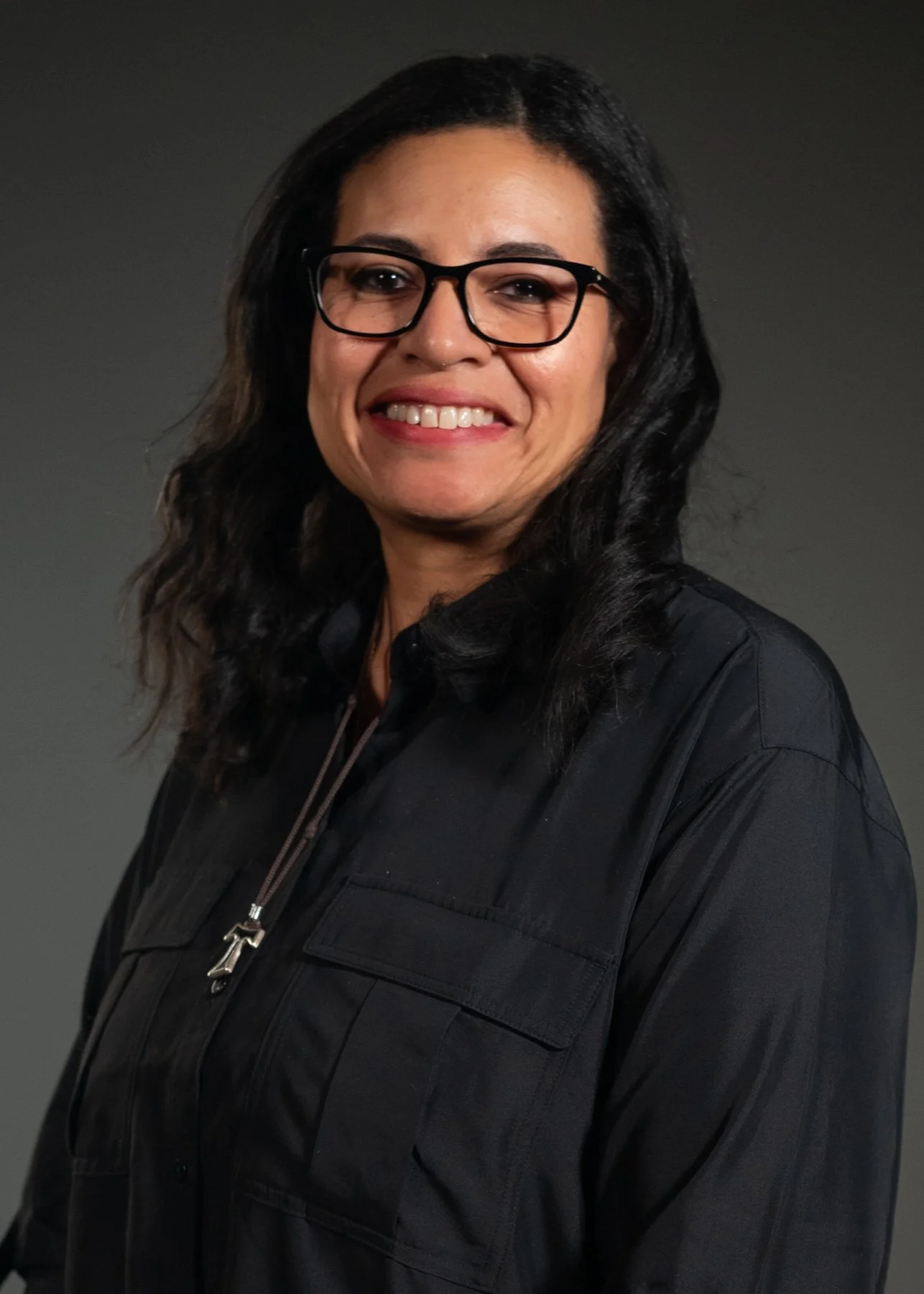
Thank you for allowing me to be part of your spiritual journey! Keep at it! Keep praying. Love the Lord.
Peace and Grace.Fran Acosta,OFS